
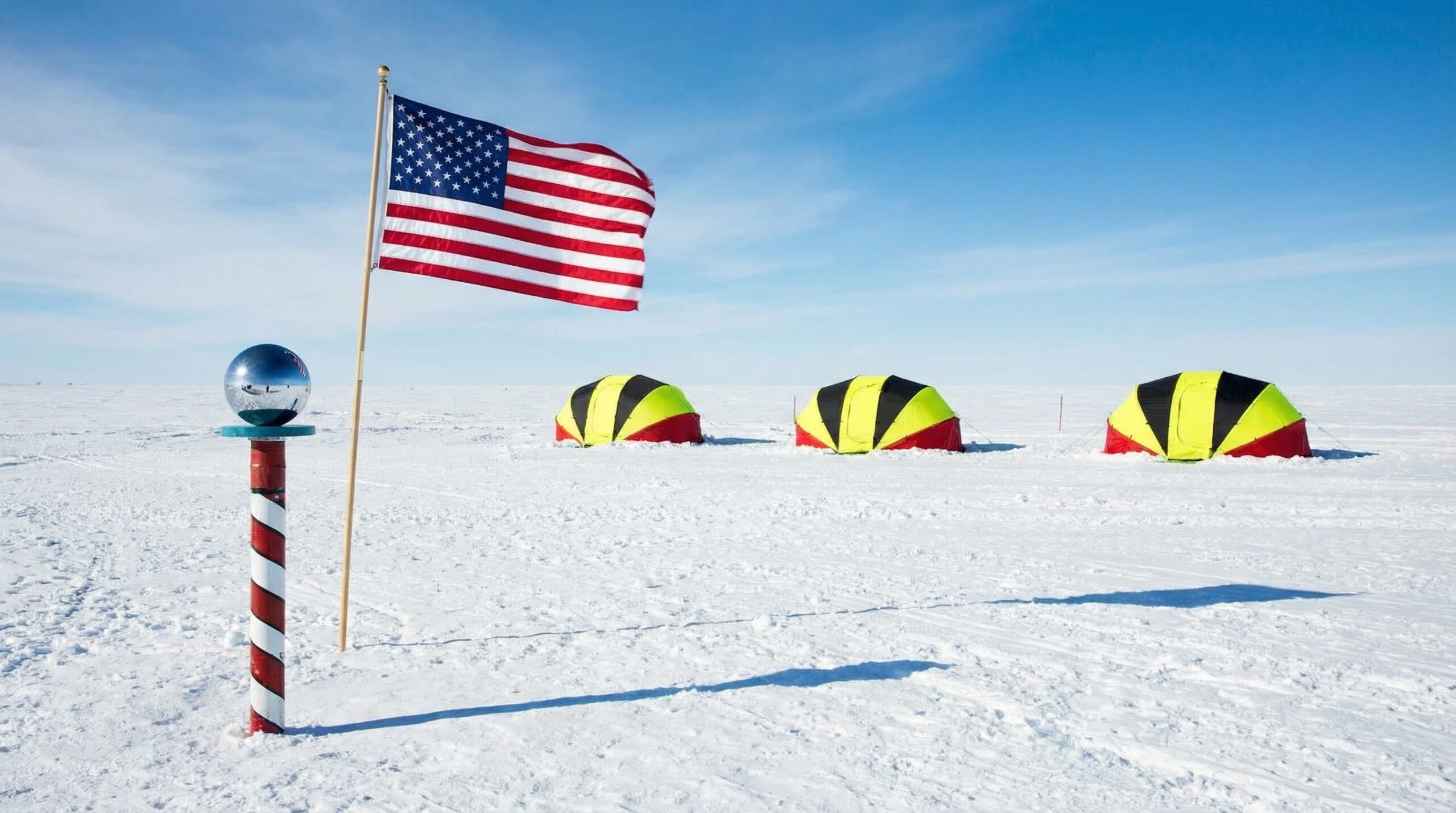

Over many years, Weatherhaven has proven itself a dependable infrastructure partner for NSF/USAP, enabling everything from telescope assembly at the South Pole to field-camp life in the Dry Valleys and beyond. Combined shelter systems, soft tents, insulated fabric camps, and containerised modules, give researchers flexibility, safety and comfort. This stability lets science teams concentrate on their core missions, not logistics. Because of that, and the documented presence of Weatherhaven shelters in USAP operations, the relationship remains central to Antarctic exploration and discovery.
Because Weatherhaven shelters combine robust environmental protection with mobility and relatively low fuel consumption (thanks to efficient insulation), many climate-change research programs under NSF and other polar-science organisations rely on them. By enabling safe, remote-site camps, they let scientists focus on data collection; ice cores, atmospheric measurements, and glaciology, without worrying about shelter, power, or gear safety, even under extreme polar weather.
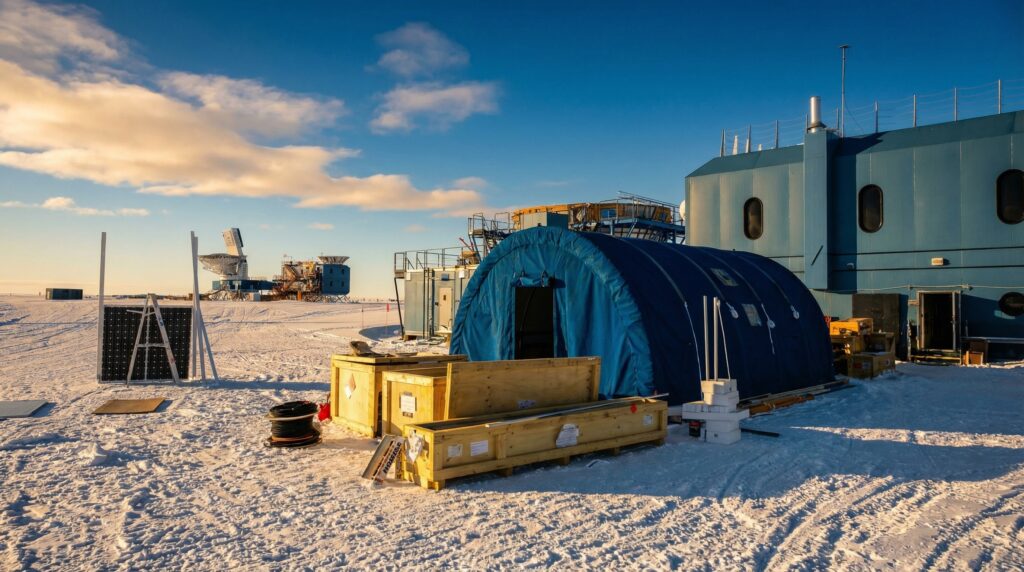
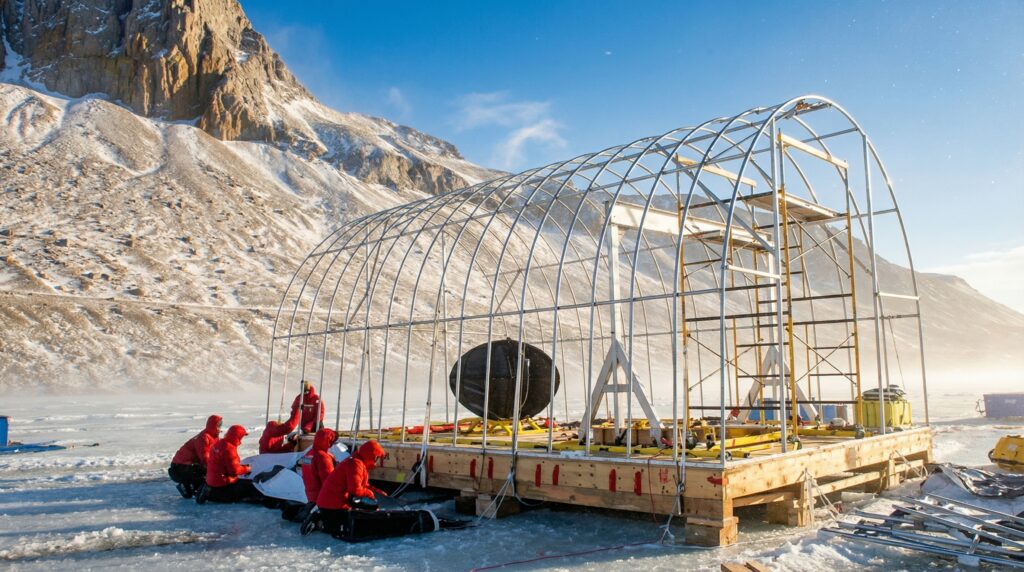
South Pole Workshop Built in a Weatherhaven Shelter
At the Amundsen–Scott South Pole Station, run by NSF/USAP, researchers from UNSW deployed a Weatherhaven shelter in the “Dark Sector” as a workshop and staging area for telescope equipment. This shelter gave the team a secure, insulated, weather-resistant space to unpack heavy scientific gear, prep instruments, and shelter under Antarctic conditions often below –40 °C. Its reliability under extreme cold helped ensure the success of South Pole astronomy and astrophysics work.
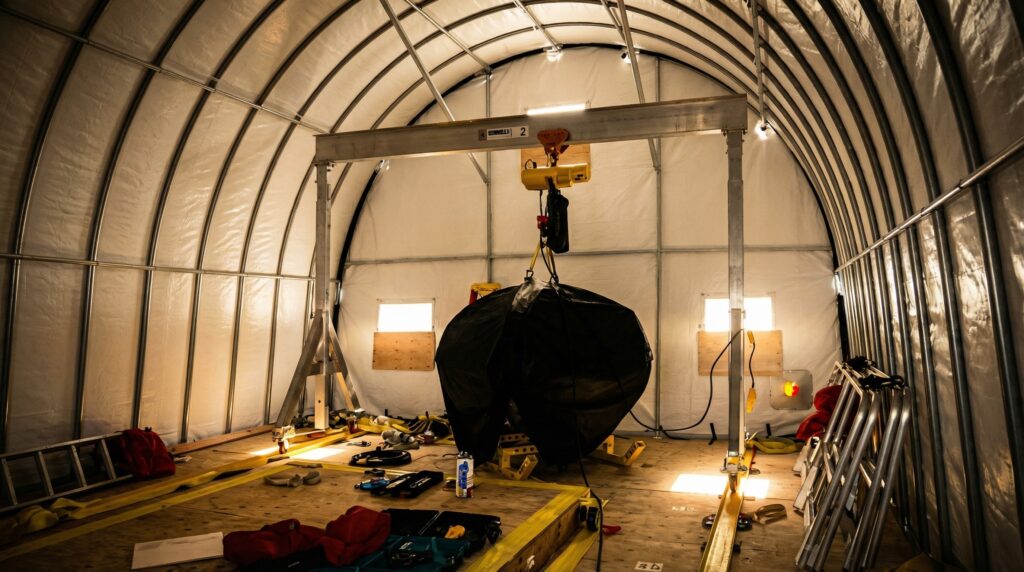
Under-ice robot exploration supported by Weatherhaven mission shelter
In the McMurdo Dry Valleys at Lake Bonney — home to NASA-supported under-ice robotics trials — USAP scientists deployed the Endurance autonomous underwater vehicle to explore beneath thick glacial ice. Weatherhaven’s large Polarhaven shelter acted as the operations hub for this mission, protecting the robot control systems, charging gear, navigation computers, and scientific electronics. By keeping delicate technology warm, powered, and secure during long dive days, the shelter ensured continuous exploration in one of Antarctica’s coldest, most remote field sites.
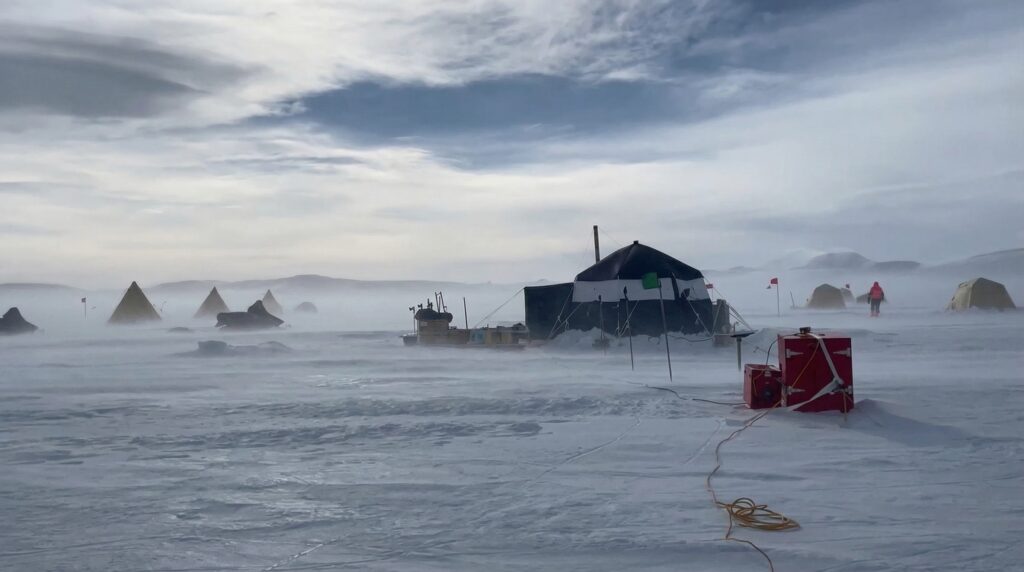
Polar Chief shelter enabling COLDEX ice-core fieldwork at Allan Hills
The Weatherhaven Polar Chief shelter stands as a vital base for the COLDEX team during deep-field expeditions at Allan Hills, East Antarctica — a remote, wind-blasted region with persistently subzero temperatures and ~40 mph winds. Inside this robust, insulated shelter, scientists can safely store, operate and maintain delicate drilling instruments. The shelter’s durability against severe cold, snow and wind ensures uninterrupted field operations, critical for retrieving ice up to six million years old. Because COLDEX often operates for weeks at a time in extreme polar environment, the Polar Chief provides a stable, weather-proof work and living base — enabling continuous sampling, science, and shelter from one of Antarctica’s harshest climates.
Enabling continuous science despite brutal Antarctic conditions
By combining insulation, wind-resistance, portability, and quick deployment, Weatherhaven shelters have allowed NSF/USAP scientists to operate reliably in Antarctica’s harsh climate. Whether conducting ice-sheet traverses, ecology studies in Dry Valleys, or deep-field drilling, the shelters deliver safe, habitable, weather-proof workspaces. This dependable infrastructure ensures scientific teams can focus on data collection and research, not shelter failures or logistic delays, preserving mission continuity and scientific output even under the most demanding conditions.
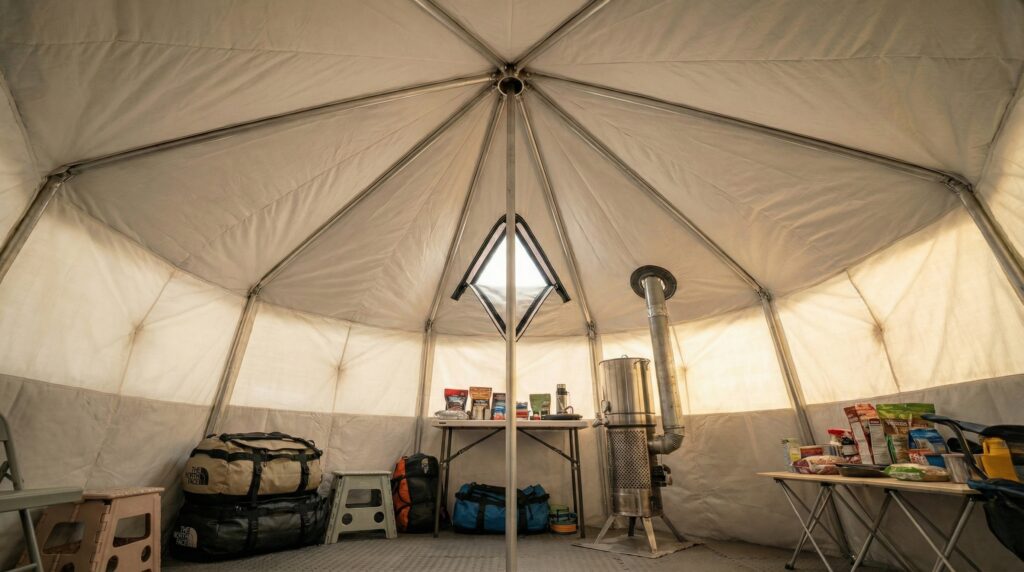
Power HVAC to provide clean air environment for printing
Weatherhaven shelters are purpose-built for efficiency in every stage of Antarctic deployment. Their modular construction allows units to be packed, shipped, and transferred seamlessly through the complex logistics chain that supports NSF and USAP field science. Lightweight structures, integrated lifting points, and rapid-assembly framing mean shelters can be installed quickly in harsh remote environments with minimal equipment or personnel. By reducing transport challenges and setup time, Weatherhaven helps scientific teams get operational faster and stay focused on delivering world-class research.

Showcased products
-
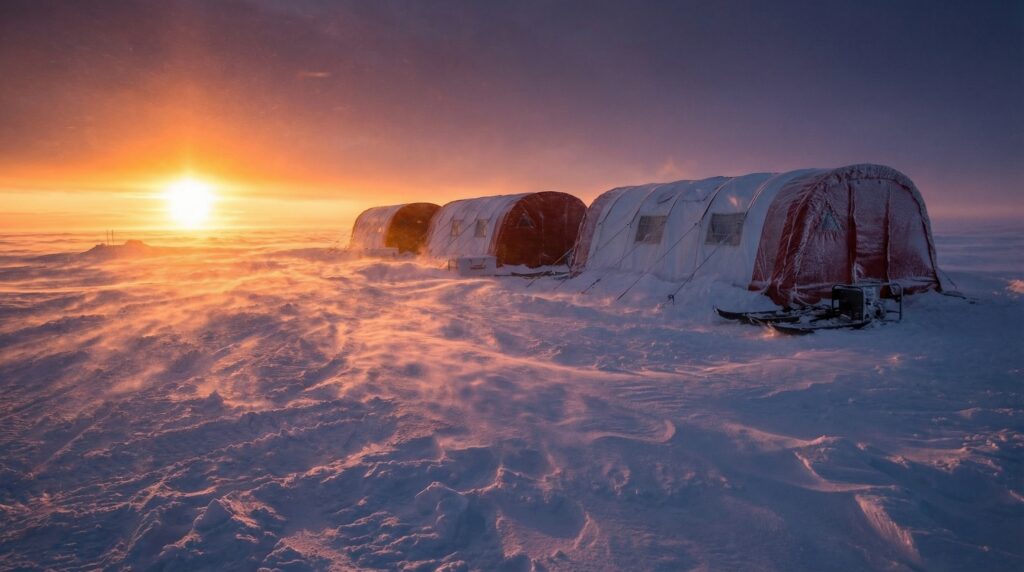
Polarhaven
Polarhaven shelters deliver trusted protection for extreme polar missions, combining comfort, strength, rapid deployment, and flexible sizing.
-
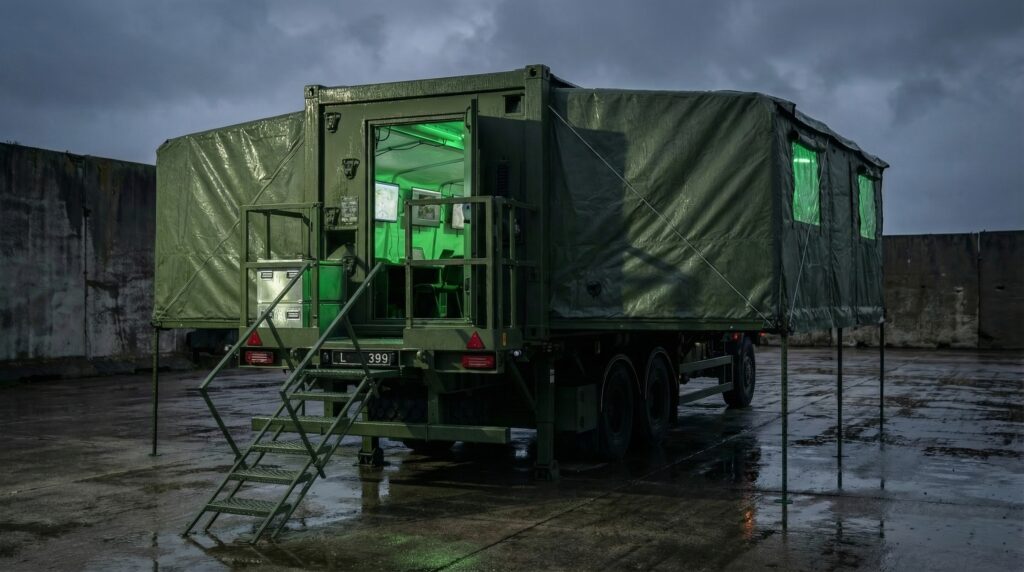
MECC
MECC is a Battle-proven, robust, and reliable 3 in 1 expandable container trusted by militaries and commercial organisations worldwide.
-
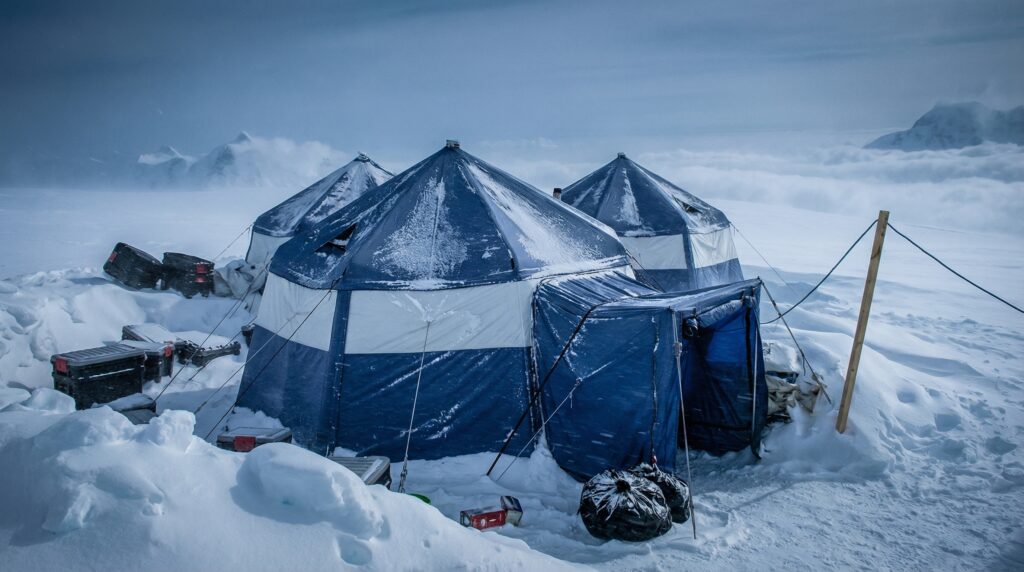
Polar Chief
Weatherhaven Polar Chief is a fully insulated, field-proven shelter for science, exploration and other remote Polar operations
-
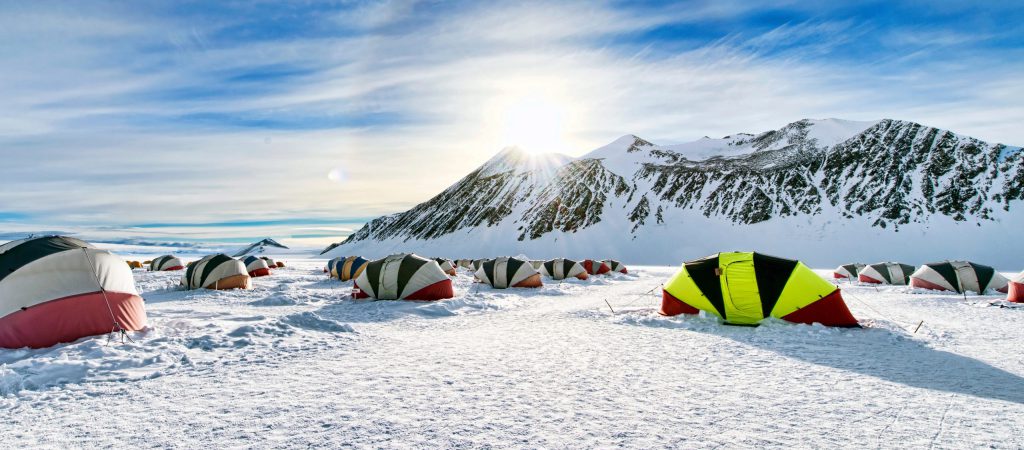
Endurance
Engineered for polar extremes, the Endurance shelter delivers rapid deployment and rugged protection in the world’s harshest environments.
Showcased solutions
Client feedback

USAP Scientist
‘We each get our own rooms – they are small, but cozy and comfortable.’
USAP South Pole Station

Please get in touch if you would like to know more about our Military or Commercial shelter and camp solutions.